Why Distance Can Support Mental Recovery
When mental exhaustion lasts for months, rest alone often stops being enough.
Sleep helps, and reducing obligations can help, but the mind may still feel full and heavy. Thoughts repeat without resolution, and attention drifts toward the same memories again and again. Even quiet moments can feel mentally crowded rather than restorative.
This state is often described as mental fog, pressure, or a sense that thinking itself has become difficult.
Decisions feel overwhelming, planning feels unreachable, and familiar tasks require disproportionate effort. Many people experience this during prolonged burnout, especially when stress has been present for a long time without adequate recovery.
In these conditions, the environment plays a much larger role than is usually acknowledged. Where someone lives, who they interact with, and what they are reminded of each day can either support recovery or quietly interfere with it.
This article explores why distance from familiar environments can help calm an overloaded mind, why new experiences are often stabilizing rather than disruptive, and how gentle change can create space for mental clarity to return.

When Familiar Environments Become Mentally Demanding
Familiarity is often associated with safety and comfort.
Home environments, long-term relationships, and known systems are usually considered stabilizing forces. However, during prolonged exhaustion, familiarity can become mentally demanding instead of supportive.
Familiar places are full of memory cues. Streets, buildings, routines, and social roles often carry emotional associations. These associations may include disappointment, unresolved conflict, unmet expectations, or periods of intense stress. Even when nothing is actively happening, the mind can replay these memories automatically.
When cognitive capacity is reduced, the brain struggles to filter out these reminders. Instead of staying present, attention drifts toward past situations and imagined corrections.
This keeps the nervous system in a state of low-level activation, even in the absence of immediate pressure. Over time, this constant internal activity prevents mental rest.
The mind remains engaged with the past instead of settling into the present moment.
Distance as a Nervous System Intervention
Creating distance from familiar environments can interrupt these patterns.
Physical distance reduces exposure to emotional triggers that are tied to specific people, places, and routines. This interruption allows the nervous system to downshift more easily.
Distance also reduces social demand. There are fewer expectations, fewer explanations required, and fewer implicit roles to maintain. For someone recovering from burnout, this reduction can significantly lower cognitive and emotional load.
Importantly, seeking distance does not imply avoidance or denial. It reflects an understanding that recovery requires different conditions than productivity or performance. Distance creates a pause, not an escape.
In many cases, mental clarity begins to return simply because the brain is no longer processing the same emotional material repeatedly.
The Effect of New Environments on Mental Load
New environments engage attention in a different way.
Instead of activating emotional memory networks, they draw awareness toward sensory input. Sounds, colors, textures, and daily rhythms are noticed without strong emotional associations.
This form of engagement is lighter for an exhausted brain. It does not require analysis, comparison, or self-evaluation. Observation replaces rumination.
Novelty also shifts mental focus forward rather than backward. Instead of replaying past events, the mind becomes occupied with immediate experience. This reduces cognitive looping, which is a common feature of burnout-related exhaustion.
When introduced gently, new environments often support mental stabilization rather than causing overload.
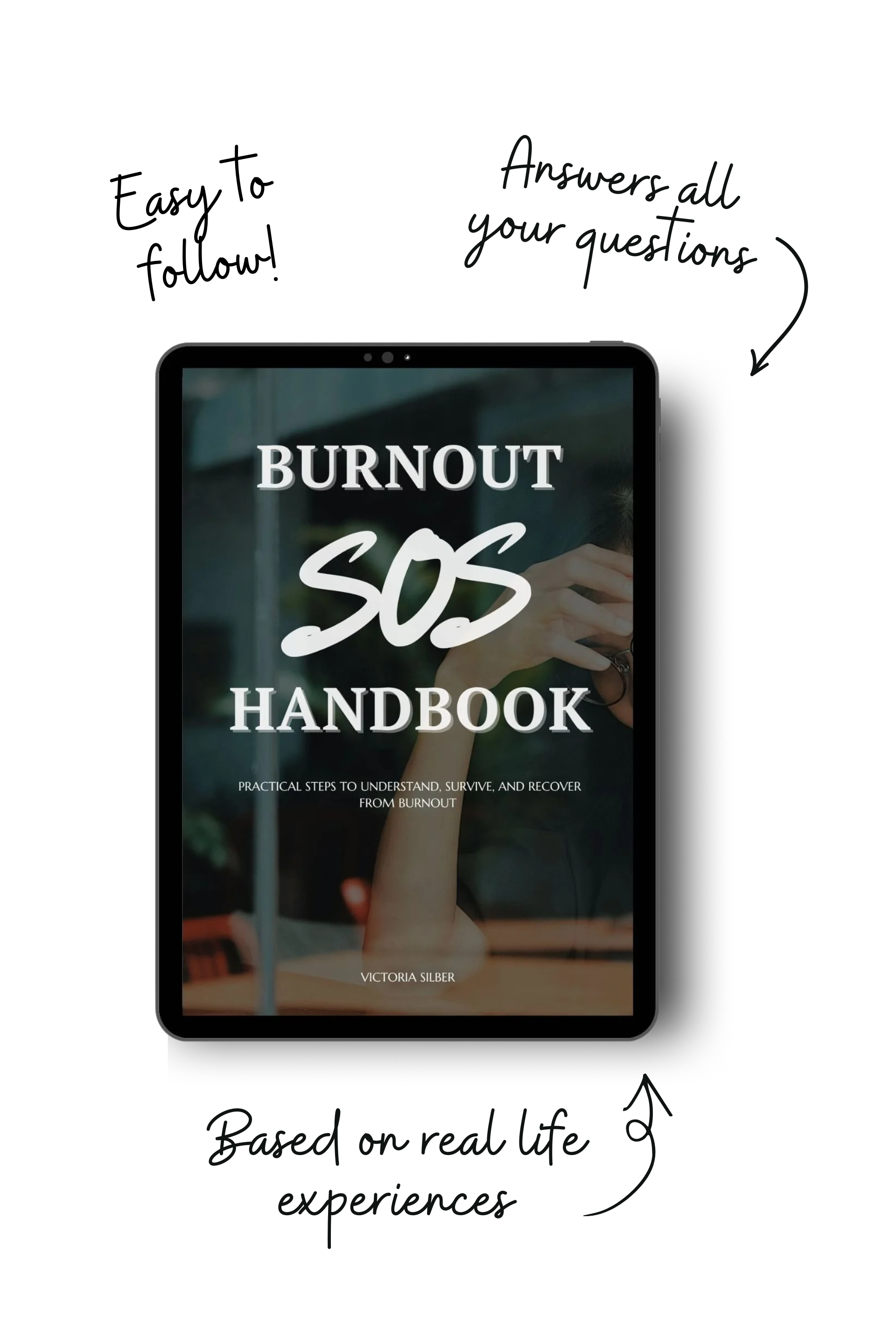
Burnout SOS Handbook
Understand Mixed Emotional Responses
New experiences rarely produce only positive emotions.
Discomfort, confusion, or mild frustration often appear alongside curiosity or pleasure. This combination is normal and generally not harmful.
What matters is the nature of the stress involved. In unfamiliar environments, negative experiences are usually situational rather than personal. They are not tied to identity, history, or unresolved relationships.
Because of this, the nervous system processes them differently. Mild discomfort may be noticed, but it does not tend to linger or trigger extended rumination. The brain can register the experience and move on.
Over time, this distinction helps recalibrate stress responses.
The nervous system learns that discomfort does not automatically signal danger.
Why Distance Often Feels Easier Outside One’s Home Culture
Many people find that recovery feels easier outside their home culture.
This is not necessarily because the new place is objectively better. It is because the social and psychological demands are different.
In unfamiliar cultural contexts, there are fewer assumptions about who someone is or how they should behave. There is often less pressure to explain personal history, justify decisions, or meet unspoken expectations.
Daily interactions may be simpler and more transactional. This reduces the need for emotional management and self-monitoring. For an exhausted mind, this simplicity can be deeply relieving. Distance from long-term social narratives also allows identity to soften.
Without constant reminders of past roles or perceived failures, the mind can rest from self-definition.
Stability Within Change
Distance and novelty support recovery best when paired with stability.
Constant movement or excessive stimulation can be counterproductive. The goal is not intensity, but balance.
Simple routines help anchor the nervous system. Regular meals, consistent sleep times, and familiar daily rituals provide predictability. These patterns create a sense of safety, even in a new environment.
Limiting information intake is equally important. News consumption, social media, and self-improvement content demand cognitive processing that an exhausted brain may not handle well. Reducing these inputs allows mental resources to replenish.
Calm activities such as walking, quiet reading, or sitting in familiar places support regulation more effectively than productivity-focused tasks.
Shifting From Analysis to Observation
One of the most persistent habits during burnout is constant analysis.
The mind searches for explanations, solutions, and future plans. While this impulse is understandable, it often maintains mental strain.
Recovery benefits from a shift toward observation. Feelings and experiences can be noticed without interpretation or judgment. Not every sensation requires meaning or action.
New environments naturally support this shift. When experiences are not connected to personal history, it becomes easier to observe without overthinking. The mind can register what is happening without constructing narratives around it.
This reduction in analysis allows cognitive space to open gradually.
Distance as a Temporary Support
Distance does not resolve all challenges.
Financial concerns, responsibilities, and long-term decisions remain part of reality. However, distance can create the conditions needed to approach these issues with greater clarity later.
When the nervous system stabilizes, problem-solving capacity improves. Decisions feel less overwhelming, and emotional responses become more proportionate. Planning becomes possible again, but from a calmer baseline.
Distance functions as a support during recovery, not a permanent solution. It provides time and space for mental systems to reset.
Recognizing Signs of Unsustainable Conditions
Exhaustion, anxiety, and mental fog are often early indicators that current conditions are no longer sustainable.
These signals typically appear after prolonged periods of strain rather than sudden stress.
Ignoring these signs often leads to deeper depletion. Responding to them with rest, reduced stimulation, and environmental change can prevent further deterioration. Recovery rarely follows a dramatic timeline.
It unfolds gradually, through small adjustments and consistent support.
A Quiet Form of Healing
Healing from prolonged mental exhaustion is subtle.
It does not always come with visible milestones or immediate relief. Progress often appears as slightly clearer thinking, reduced internal noise, or improved tolerance for everyday tasks.
Distance and gentle novelty support this process by reducing emotional load and interrupting repetitive mental patterns. They allow the mind to settle without pressure.
When the brain is no longer occupied with managing the past, it gains the space needed to recover.
Clarity returns slowly, but it returns from a more stable foundation.
Frequently Asked Questions
Is seeking distance the same as avoidance?
Distance is not the same as avoidance when it is used to support recovery. Avoidance ignores problems indefinitely, while distance creates space to regain mental capacity. Many people find they can address challenges more clearly after their nervous system has stabilized.
Can new environments make burnout worse?
New environments can be overwhelming if they involve constant stimulation, pressure, or rapid change. When introduced gently and paired with simple routines, novelty often reduces mental looping rather than increasing stress.
What if some aspects of a new place feel uncomfortable?
Mild discomfort is normal and usually temporary in unfamiliar settings. Situational discomfort tends to pass more quickly than emotionally loaded stress from familiar environments. Most people find these experiences do not linger mentally.
How long should distance last during recovery?
There is no universal timeline for distance during burnout recovery. Some people benefit from weeks of reduced exposure, while others need longer periods. The key indicator is improved mental clarity and emotional stability.
Is this approach suitable for everyone?
Not everyone needs physical distance to recover from burnout. For some, changes within the same environment are sufficient. Distance is one option among many, not a universal prescription.
Can responsibilities still be handled while taking distance?
Basic responsibilities can usually be maintained with reduced intensity and simplified expectations. Distance is meant to lower cognitive load, not eliminate all obligations. Adjustments often make responsibilities more manageable.
Does distance replace professional support?
Distance can support recovery, but it does not replace medical or psychological care when needed. Professional support may still be important, especially during prolonged or severe exhaustion.
How can someone know when distance is helping?
Signs include reduced mental noise, improved sleep, and slightly increased tolerance for everyday tasks. Clarity often returns gradually rather than suddenly. These changes indicate nervous system stabilization.
Learn More About Burnout Recovery