
Book Review: The Courage to Be Disliked & The Courage to Be Happy
A huge part of burnout is about feeling rejected, isolated, and sometimes deeply disliked by others or even by yourself.
I have been there. At my lowest, I felt like my needs were too much. I carried guilt for letting down clients, for losing my kids’ stability, and for friendships that faded away. I thought maybe I had been a bad friend, a bad mother, a bad leader.
Typical for me - I looked for books that would answer my questions and heal my wounds.
Then I found two books that changed how I saw myself and the world: The Courage to Be Disliked and The Courage to Be Happy by Ichiro Kishimi and Fumitake Koga.
If you are struggling with burnout, mental exhaustion, or just feeling lost, these books might be exactly what you need.

What Are These Books About?
Both books are based on the ideas of Alfred Adler, an Austrian psychologist whose work is not as famous as Freud or Jung, but just as life-changing.
They are written as conversations between a philosopher and a young man, so they are easy to read. The first book focuses on why it is so hard to live authentically.
The second explores what it really means to be happy.
Radical Responsibility and Freedom
One of the most powerful ideas in both books is the concept of radical responsibility.
Adler’s philosophy says your life is not determined by your past or your circumstances. Instead, you are free to choose your attitude and your actions right now.
This can feel overwhelming at first, especially when you’re burnt out and exhausted. But it’s also incredibly liberating. You realize you do not have to be trapped by old labels or stories.
You can start fresh, even today.
Separation of Tasks
A practical tool from the books is “separation of tasks.”
This means learning to clearly see what your responsibility is and what belongs to others. For example, it is your task to be honest and kind. But it is not your task to control how others react.
If someone dislikes you for setting boundaries or taking care of yourself, that’s their task, not yours.
This idea has helped many people let go of guilt and anxiety about pleasing others.
The Courage to Be Ordinary
Many readers (myself included) find comfort in the book’s challenge to the “special snowflake” myth.
You do not have to be extraordinary or achieve something huge to be worthy of love and respect. The courage to be ordinary is about accepting yourself as you are and finding meaning in simple, everyday living.
For anyone who feels burned out by endless striving, this can be a huge relief.
Community as a Source of Meaning
The books argue that happiness is found in contribution to others and feeling useful in a community.
Adler’s “community feeling” is about shifting your focus from self-centered worries to how you can help or support others, even in small ways.
Instead of people-pleasing, it is about knowing you matter because you participate, not because you perform.
Letting Go of Praise and Recognition
Another theme that stands out is the idea that seeking praise or fearing criticism is a trap.
They talk about it in The Courage To Be Happy. When you act only to win approval, you lose touch with your own values. The books encourage you to act from your own beliefs, not from a desire to be liked.
This is especially important in recovery, where rebuilding self-trust is key.
Living in the Present
Both books emphasize that happiness is only found in the present moment.
Regrets about the past and worries about the future take you away from what you can actually influence.
This is a helpful reminder for anyone whose mind is spinning with “what ifs” or “should haves.”
How These Books Helped Me
When you are burnt out, you often feel like you are not enough.
These books reminded me that my worth is not measured by who likes me, who sticks around, or how much I achieve. I learned that real friendship is about unconditional confidence.
It is about having faith in each other, no matter what. That idea was new for me, but it made sense. It is not about being perfect.
It is about showing up as yourself, flaws and all.
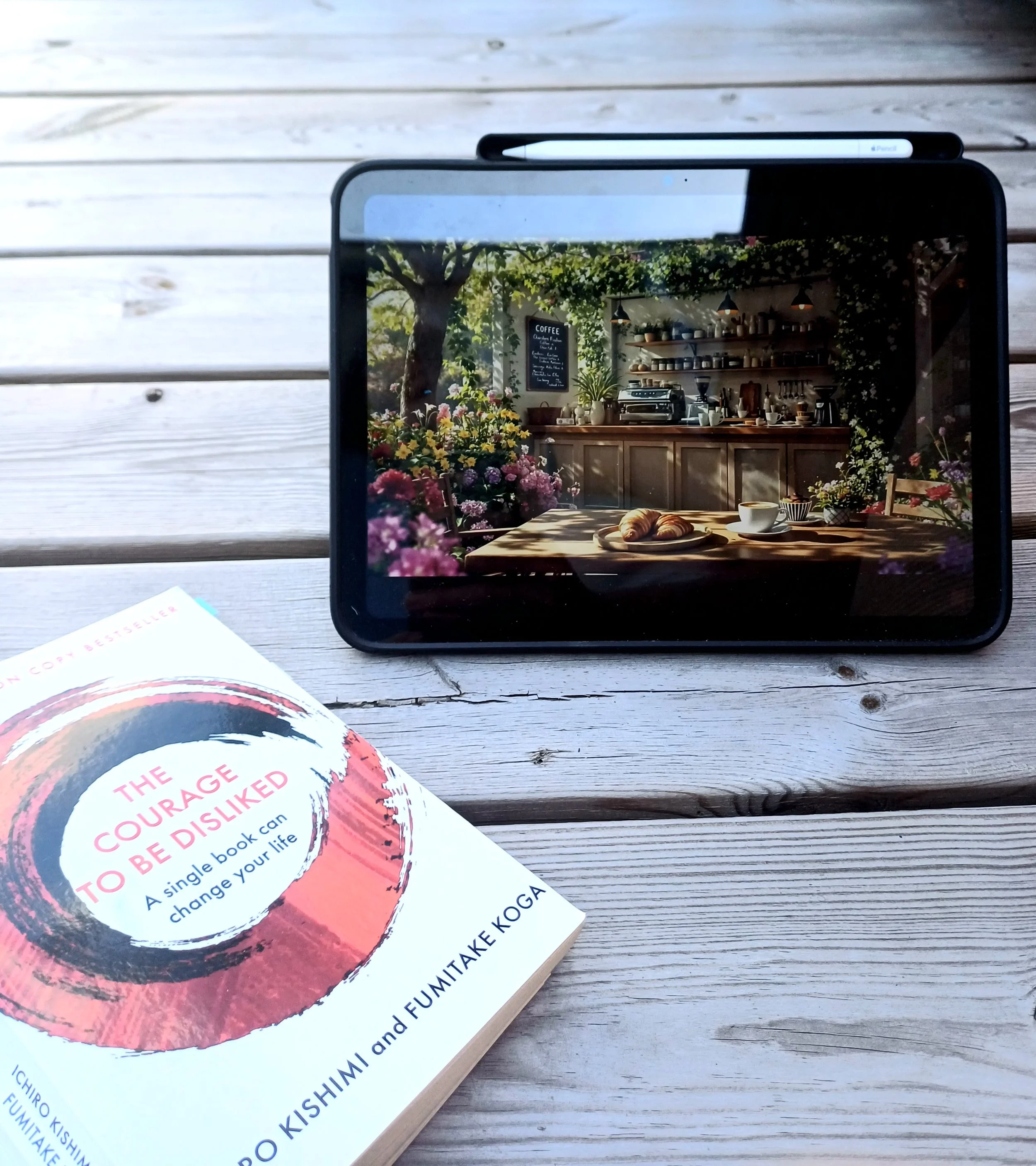
I used to sit on my terrace and read, calming music in the background. It was a soothing time in my burnout healing process.
Guilt, Rejection, and the Power of Perspective
Adler’s philosophy helped me let go of guilt.
I realized I was not a bad friend or a bad mom. I was just human, doing my best under impossible circumstances. The books taught me that guilt often comes from taking on responsibility for things that are not really ours to carry.
If you are feeling weighed down by guilt, these books offer a way to put it down, gently and honestly.
The Scandinavian Connection
I have lived in Scandinavia for years.
I saw a lot of familiar ideas in Adler’s work. Community, equality, and respect are part of everyday life there. Outside the Nordics, these ideas can feel radical.
The books made me appreciate how much my environment shaped my mindset and how valuable those lessons are for anyone, anywhere.
Why You Need Courage Not Just to Be Disliked, But to Be Happy
It is easy to see why courage is needed to be disliked.
Standing your ground, saying no, protecting your energy - none of that is easy.
But I had not thought about the courage it takes to be happy. Happiness is not just about feeling good. It is about choosing to belong, to connect, to trust others, and to let yourself be seen.
That is scary, especially if you have been hurt or let down before.
The Importance of Community
I used to think I did not need community, being that cat who walks in her own path.
As long as I could manage on my own, I did not miss it. But after reading these books and going through my own journey, I finally understand why community matters. We all need spaces where we can show up as ourselves, be accepted, and support each other.
That is why I am now dreaming of building a real, in-person community - a bookstore and coffee shop where people can hang out and belong.
Because we all need that sense of connection, especially when we are recovering from burnout.
Why I Recommend These Books for Burnout and Mental Health
They give you permission to let go of guilt.
They help you see rejection differently.
They teach you that you are not alone in your struggles.
They show that happiness requires courage, not just luck.
They remind you that community and belonging are essential.
Key Takeaways for Burnout Recovery
Your value is not tied to productivity or approval.
Real friendship is about unconditional confidence, not perfection.
Guilt is often misplaced. You can set it down.
Community matters, even if you are used to going it alone.
Happiness is an act of courage. You are allowed to choose it.
My Personal Reflection
When I first read The Courage to Be Disliked, I was at a low point.
I felt like I had failed everyone who mattered. I was so focused on what others thought of me that I lost sight of what I needed and deserved. This book gave me a new lens. It taught me that being disliked is not a sign of failure.
It is a sign that you are living by your own values, not just trying to please everyone else.
The Courage to Be Happy took the lesson further.
It showed me that happiness is not something that happens to us. It is something we choose, even when it feels impossible. It is about letting go of old stories and daring to believe that you deserve good things. That was a radical idea for me. For years, I thought happiness was for other people.
Now I know it is for all of us if we are brave enough to claim it.
What People Commonly Use from These Books
Separation of tasks for setting boundaries and reducing people-pleasing.
Radical responsibility to stop blaming the past and start making changes now.
Community feeling as a way to build real belonging and meaning.
Letting go of the need for recognition so you can act authentically.
Permission to be ordinary and find self-worth outside of achievement.
Living in the present to reduce anxiety and increase daily joy.
Final Thoughts
If you are feeling lost, isolated, or burnt out, give these books a try.
What strikes me most about these books is how practical they are. You do not need to agree with every single idea, but you can use the tools to make real changes.
For me, learning to separate my tasks from others’ has been life-changing. I am much less anxious about what people think, and I am more focused on what I can actually control. The idea that happiness takes courage - not just luck or talent - has helped me give myself permission to try new things and connect with others, even when it feels vulnerable.
If you are looking for more than just comfort, but also practical steps to rebuild your life after burnout, these books are a great place to start.

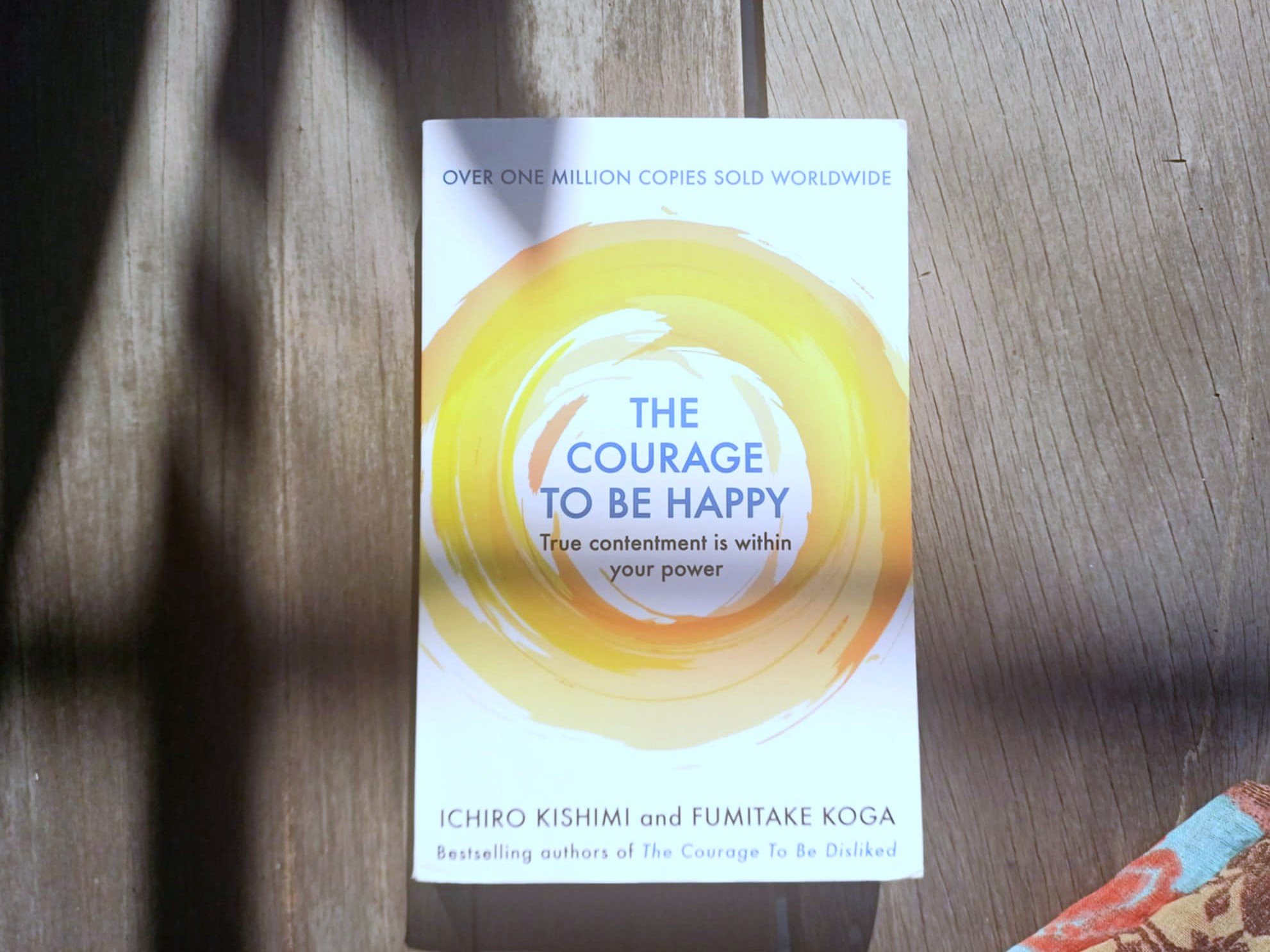
The Courage To Be Happy book about friendship
FAQ
How are these books different from other self-help books?
These books are based on Adlerian psychology and focus on conversations, not just advice. They challenge you to rethink your beliefs about happiness, belonging, and personal responsibility. The conversational style makes the lessons feel personal and relatable.
Can these books help if I’m not experiencing burnout?
Absolutely. While they are powerful for people in burnout or recovery, their core messages about self-worth, courage, and community are helpful for anyone facing life’s challenges or wanting to grow.
What is “unconditional confidence” in friendship?
It means trusting and believing in each other, no matter what. You do not have to be perfect to deserve friendship. You just need to show up as your true self and offer the same acceptance to others.
Are the ideas in these books relevant outside Scandinavia?
Yes. While some concepts are common sense in Scandinavian cultures, they are useful everywhere. Values like community, equality, and respect can help anyone build a healthier mindset and stronger connections.
How can I start building my own community if I feel alone?
Begin by reaching out to people who share your values or interests, even if it is just online at first. Attend local events, join groups, or consider starting something small like a book club or coffee meet-up. Community grows from honest, consistent connections.
Read also Book Review: Presence by Amy Cuddy