How Burnout Affects Romantic Relationships
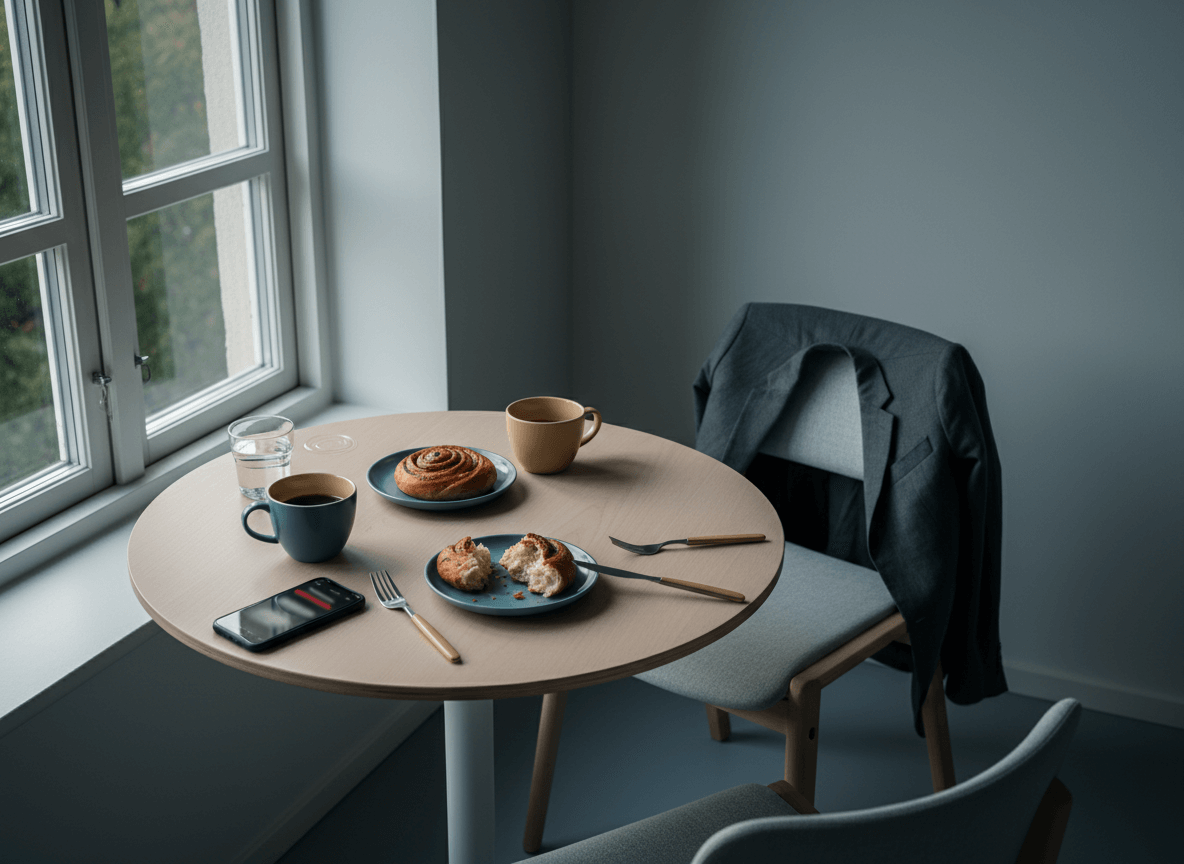
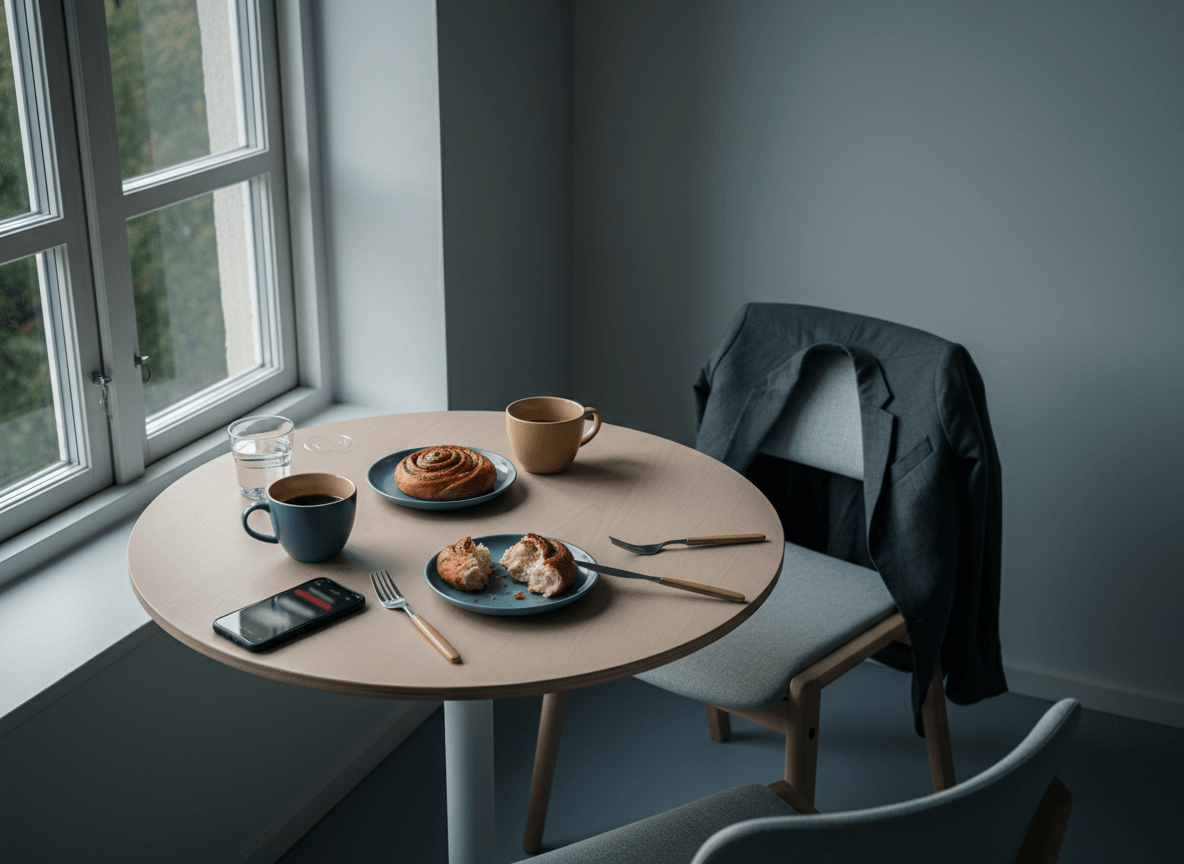
Burnout follows you home and sits down at the table with you.
It changes your tone, your patience, and your ability to connect. Many couples assume the relationship is the problem when burnout is the force that has taken over the relationship.
This post explains why burnout damages romantic relationships, what partners need to know, and how to protect the relationship while burnout recovery takes place.
Why Burnout Damages Relationships
Burnout reduces your emotional capacity.
When your nervous system runs on stress for too long, everything becomes harder. You have less patience for normal life. You struggle to listen, respond, and repair after conflict and even simple questions can feel like demands.
Burnout also changes how you interpret your partner’s words. You may hear criticism where none exists. You may assume your partner is disappointed in you.
This happens because your brain looks for threats when it feels overloaded. Your partner becomes part of the noise.
Many burned-out people withdraw. They stop sharing details, stop initiating plans, and stop asking for help. This withdrawal often looks like indifference. Your partner may feel rejected and start protecting themselves, too.
Distance grows even if love stays.
Work stress can also create resentment. One partner may carry more of the household load. The other may feel guilty and defensive. Both can be true at the same time.
Burnout turns normal imbalance into chronic tension.
What Burnout Looks Like at Home
Burnout often shows up as emotional flatness.
You may feel numb, detached, or uninterested in things you used to enjoy. Your partner may miss your warmth and assume you no longer care.
In reality, your system may have shut down to conserve energy.
Irritability is another common sign. You snap over small things. You feel overstimulated by noise, questions, or decisions. Your partner may feel like they are walking on eggshells. This creates anxiety in the relationship.
Decision fatigue also affects daily life.
You may avoid planning, chores, or conversations because your brain feels full. Your partner may interpret this as laziness or avoidance. Burnout symptoms can look like character flaws when nobody has the right language.
If you want a deeper look at burnout symptoms, this post helps: Burnout Insomnia and the Exhaustion Paradox.
Sleep loss often amplifies relationship conflict.
What Partners Need to Know About Burnout
Your partner needs clarity more than reassurance.
Many partners can handle a hard season. They struggle when they do not understand what is happening or how long it might last.
Burnout recovery takes time, and uncertainty creates fear.
Explain burnout in concrete terms. Share what has changed, what triggers you, and what helps. Avoid vague statements like “I’m just stressed.” Stress sounds temporary. Burnout sounds serious, and it is.
Partners also need to know what not to do. Some people try to motivate, push, or problem-solve. Others take withdrawal personally and escalate the conflict to get a reaction. These responses make burnout worse.
Useful information for partners includes:
Your energy has limits right now.
Your irritability is a symptom, not your true personality.
You still care, even if you show it less.
Recovery needs rest, reduced pressure, and steady routines.
Support matters more than advice.
The World Health Organization describes burnout as an occupational phenomenon linked to chronic workplace stress.
How to Protect Your Relationship During Burnout Recovery
Protection starts with naming the problem together.
Say it out loud. “Burnout is affecting us.” This sentence reduces blame and creates a shared enemy.
It also makes it easier to work as a team.
Set a weekly relationship check-in
Keep it short.
Ten to fifteen minutes is enough. Use a simple structure so the conversation does not spiral.
Try this:
What felt hard this week?
What helped this week?
What do we need next week?
End with one practical agreement.
Small agreements build trust again.
Create a low-energy connection routine
Burnout does not allow high-effort romance.
It does allow small moments of connection that do not drain you.
Examples that work in real life:
Tea together before bed, no phones.
A short walk after dinner, even ten minutes.
Sitting in the same room while each person does their own quiet activity.
One honest sentence each day about how you feel.
Consistency matters more than intensity.
This is how intimacy returns.
Reduce household friction
Many couples fight about logistics during burnout.
Remove as many decisions as possible. Simplify meals, routines, and expectations. If money allows, outsource cleaning or grocery delivery for a period.
Use clear language.
Say what you can do, not what you should do.
Use direct scripts for hard moments
Burnout makes communication messy.
Scripts help you stay kind when your brain feels overloaded.
Try these:
“I want to talk, but I need a break first. Can we come back to this at 7?”
“I feel overwhelmed and I’m close to snapping. I need quiet for thirty minutes.”
“I heard criticism in that, even if you did not mean it. Can you say it again more gently?”
“I care about you. My energy is low today. Please do not read distance as rejection.”
Recovery requires intention, not perfection.
A relationship does not need perfect communication to survive burnout.
It needs honesty, repair, and a shared plan.
When Burnout Signals a Deeper Relationship Problem
Sometimes burnout reveals issues that were already there.
If conflict existed before burnout, burnout will magnify it. If respect is fragile, burnout will test it. This does not mean the relationship is doomed, but it does mean you may need more support.
Consider outside help if you see patterns like these:
Frequent contempt or name-calling.
Stonewalling for days after conflict.
Repeated threats of leaving.
No willingness to adjust expectations during recovery.
A partner who dismisses burnout symptoms as weakness.
Support can include couples therapy, coaching, or structured programs.
If you want a comparison guide, start here: Support Groups vs. Therapy vs. Coaching: Which Is Right for You?.
FAQ
Can burnout make you fall out of love?
Burnout can reduce emotional access and desire.
Many people interpret this as falling out of love. Often, it is a nervous system shutdown and exhaustion.
Clarity tends to return during burnout recovery.
How do I explain burnout to my partner without scaring them?
Use simple facts and specific examples.
Share what has changed and what support looks like. Give a realistic timeline, even if it is “months, not weeks.” Honesty builds safety.
What if my partner takes my withdrawal personally?
Acknowledge the impact and name the cause.
Offer a low-energy connection routine so they still feel included.
Consistency helps your partner trust that the distance is not rejection.
Should we pause big relationship decisions during burnout?
If possible, yes.
Burnout affects judgment and emotional regulation. Stabilize first, then revisit major decisions with more clarity.
What kind of support helps couples during burnout?
Clear communication, reduced household pressure, and predictable routines help most.
Couples therapy or coaching can help if conflict escalates or trust erodes. Support works best when both partners treat burnout as a shared challenge.
Conclusion
Burnout can damage romantic relationships, even strong ones.
It reduces patience, connection, and intimacy, and it increases misunderstanding. Protection starts with naming burnout, setting simple routines, and using direct scripts when capacity runs low.
When both partners treat burnout recovery as a shared project, trust and closeness can return.